skip to main content

Charter SELPA

Special Education Local Plan Area

Charter SELPA

Special Education Local Plan Area
The On-Demand Learning Hub is a one-stop resource for a variety of professional learning opportunities in flexible learning formats such as web-based learning modules, engaging podcasts, and comprehensive on-demand courses. Explore tailored content on best practices and emerging trends at your convenience, allowing you to enhance your expertise and better serve your students, on your schedule.

Find Learning Resources

Category
Content Type
Sort by
Navigating Health Requirements in the Charter School Setting
1 hr 2 min
Accommodations & Modifications

Navigating Health Requirements in the Charter School Setting

Video

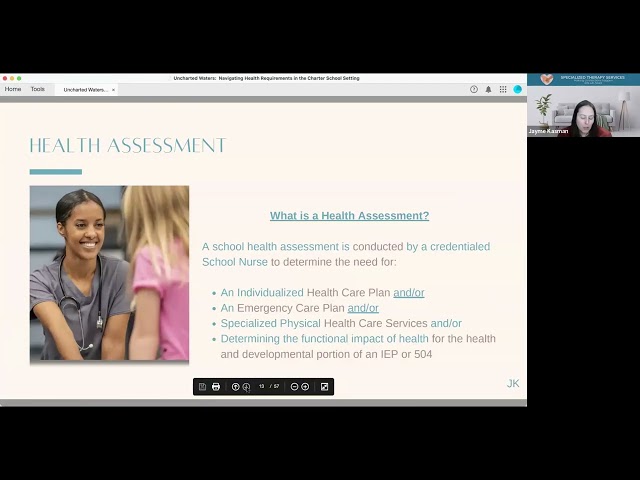
Learn how charter schools can effectively address student health needs through collaboration with credentialed school nurses. This session covers school nursing roles, health assessments, individualized healthcare plans, legal requirements, and best practices for supporting students, including those with IEPs and complex medical needs.
California EducationCharter Schools+11
Resilient Roots: The Science and Strategy Behind Healthier Tech Use
1 hr 29 min
Mental Health and Behavior

Resilient Roots: The Science and Strategy Behind Healthier Tech Use

Video

This webinar examines the science behind digital dependence, the effects of smartphones and social media on student wellbeing, and practical strategies for healthier technology use. Viewers will learn about California's Phone Free School Act, research on digital wellness, and evidence-based approaches schools and families can use to encourage more intentional technology habits.

Assembly Bill 3216Connection+12
AI Revolution: Transforming Charter School Leadership & Learning
53 min
Technology & AI in Education

AI Revolution: Transforming Charter School Leadership & Learning

Video

Learn how artificial intelligence can support charter school leadership through practical strategies, real-world examples, and leadership-focused applications. The session explores AI literacy, emerging trends, and ways school leaders can responsibly integrate AI into teaching, learning, and organizational decision-making.

AIAI Literacy+8
Fundamentals of IEP Note Taking
1 hr 1 min
IEP Documentation & Notetaking

Fundamentals of IEP Note Taking

Video

This training explains how to create clear, legally defensible IEP meeting notes that accurately document discussions, decisions, and parent participation. Viewers will learn best practices for documenting meetings, supporting compliance, and creating notes that are useful for future teams and due process situations.

ComplianceDocumentation+6
Key2Ed - Communicating Effectively
8 min
Parent & Family Resources

Key2Ed - Communicating Effectively

Video

Learn five practical communication strategies that help parents participate confidently and collaboratively during IEP meetings. The video provides actionable techniques for asking questions, listening effectively, staying calm, and ensuring your voice is an active part of developing your child's IEP.

Active ListeningAdvocacy+16
Key2Ed - The Role of IEP Team Members
6 min
Parent & Family Resources

Key2Ed - The Role of IEP Team Members

Video

This video explains the role of each member of an Individualized Education Program (IEP) team, with an emphasis on the parent or caregiver's role. Viewers learn two questions that clarify team roles and three reasons why understanding those roles leads to more effective, collaborative IEP meetings.

AdvocacyCaregiver Role+10
Key2Ed - Building Trust and Relationships
7 min
Parent & Family Resources

Key2Ed - Building Trust and Relationships

Video

Learn five practical strategies for building trust and strengthening relationships among IEP team members. This video explains how collaboration, communication, respect, and accountability help families and educators work together to support student success.

CollaborationCommitments+15
Considerations Regarding Trauma in the IEP Process
59 min
IEP Process & Meetings

Considerations Regarding Trauma in the IEP Process

Video

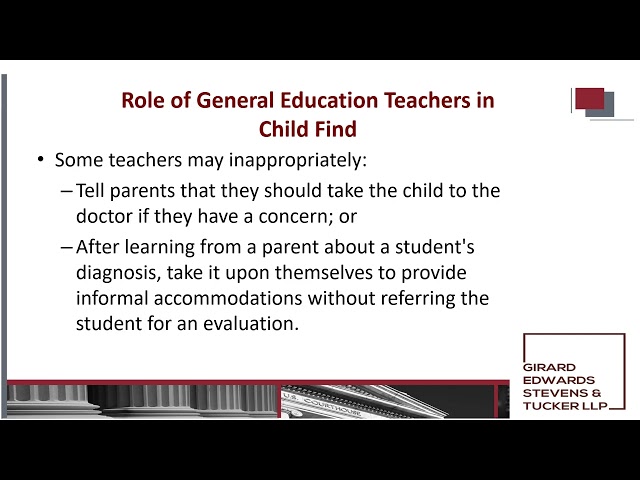
This presentation explains how trauma can affect students throughout the IEP process, including legal obligations related to identification, evaluation, and support. Viewers will learn practical, trauma-informed considerations for IEP teams and Child Find responsibilities.

Child FindEvaluation+7
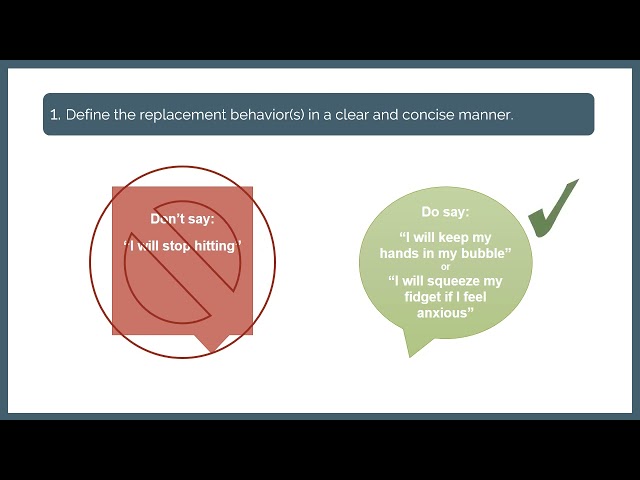
Individual Reward Systems
48 min
Behavioral Intervention

Individual Reward Systems

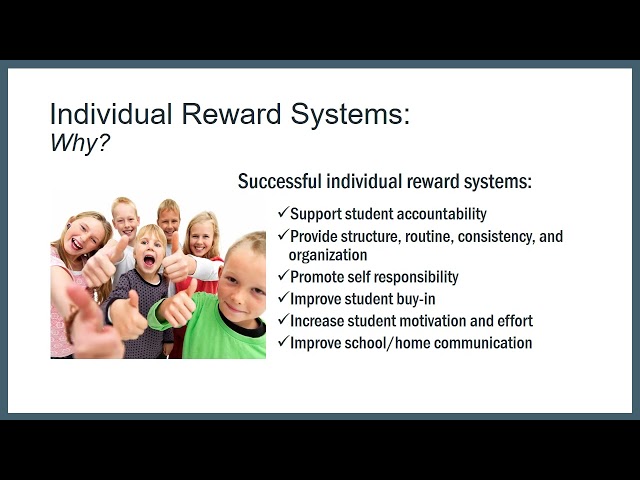
This module explains how to design and implement effective individual reward systems and token economies to teach and reinforce positive behavior. Viewers learn when these interventions are appropriate, how to individualize them based on student needs, and practical strategies for successful implementation and long-term behavior change.

BehaviorBehavior Intervention+10
Check-In/Check-Out (CICO)
28 min
Behavioral Intervention

Check-In/Check-Out (CICO)

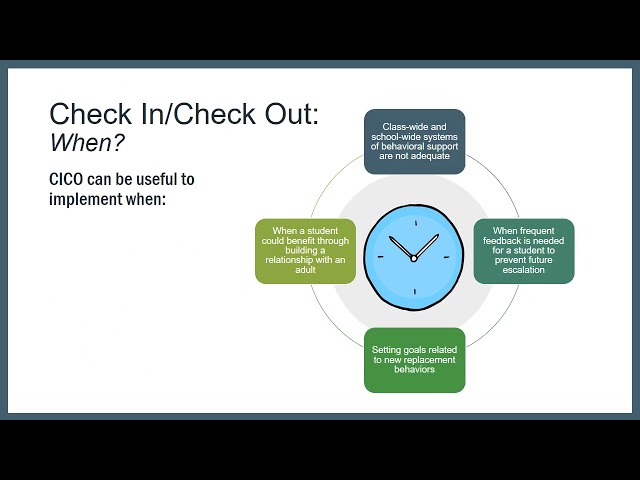
This video explains the Check-In/Check-Out (CICO) behavioral intervention as a Tier 2 support within a multi-tiered system of supports. Viewers will learn when CICO is appropriate, the roles of staff, students, and families, and practical strategies for implementing and monitoring the intervention successfully.

Behavior InterventionBehavior Supports+13
Individual Visual Schedules
41 min
Behavioral Intervention

Individual Visual Schedules

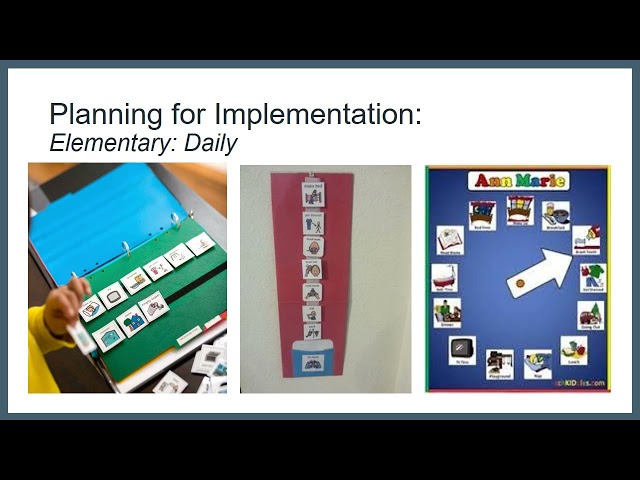
This module explains how to design and implement individualized visual schedules to support student behavior, transitions, independence, and engagement. Viewers learn when visual schedules are appropriate, factors to consider when creating them, and practical examples for students across a variety of ages and settings.

ABC ChartingBehavior Intervention+11
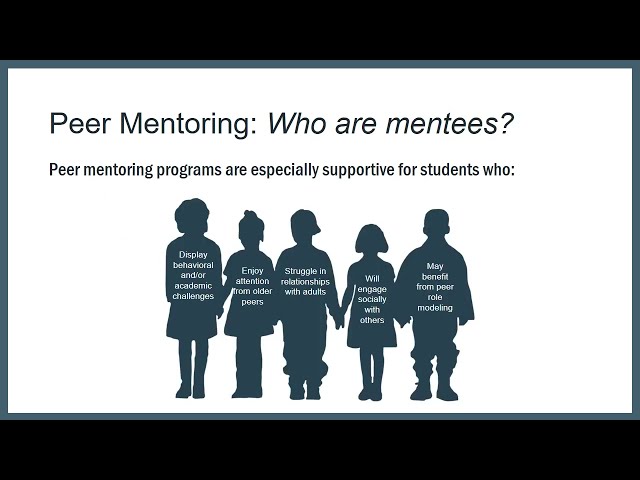
Peer Mentoring
41 min
Behavioral Intervention

Peer Mentoring

Learn the core principles of developing and implementing effective peer mentoring programs in schools. The video explains program design, participant selection, training, supervision, and evaluation while highlighting the academic, behavioral, and social-emotional benefits of peer mentoring.

Academic SupportBehavior Intervention+11
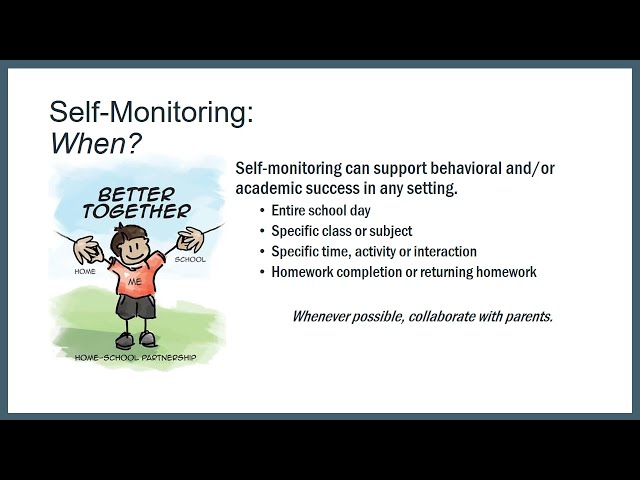
Self-Monitoring
19 min
Behavioral Intervention

Self-Monitoring

Learn how to implement self-monitoring as a strategic behavioral intervention that helps students build independence, self-regulation, and positive behavior. This training explains the core components of self-monitoring systems, implementation steps, data collection, reinforcement strategies, and common challenges.

Behavior InterventionBehavior Support+10
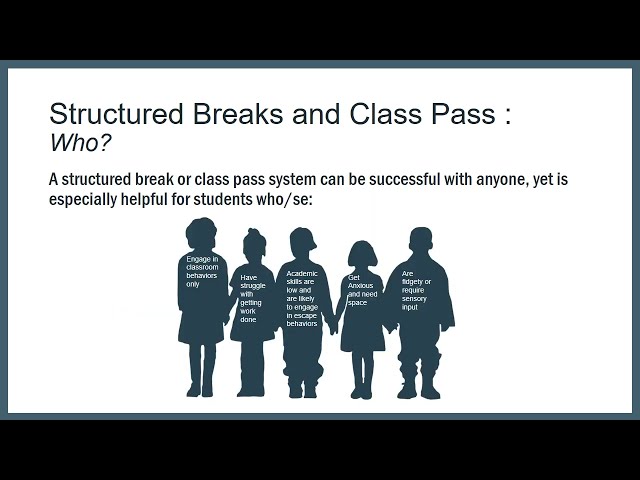
Structured Breaks and Class Pass
15 min
Behavioral Intervention

Structured Breaks and Class Pass

Learn how to implement structured breaks and class passes as a proactive behavioral intervention that helps students self-regulate, increase engagement, and reduce challenging behaviors. This video explains implementation steps, common pitfalls, age-level considerations, and practical strategies for supporting students effectively.

Behavior InterventionBehavior Supports+11
Behavior Contracts
29 min
Behavioral Intervention

Behavior Contracts

Learn how to develop and implement effective behavior contracts that promote positive student behavior through clear expectations, meaningful reinforcement, and collaborative planning. The video explains when behavior contracts are appropriate, how to structure them, and how to monitor their effectiveness using data.

Behavior ContractsBehavior Intervention+14
School-Home Communications
18 min
Behavioral Intervention

School-Home Communications

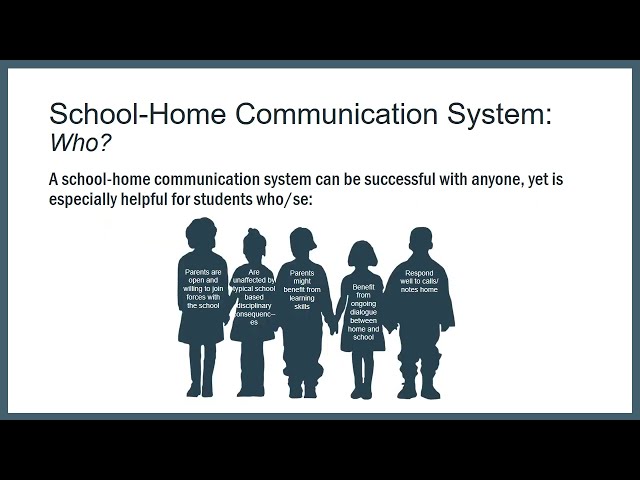
This module explains how to design and implement effective school-home communication systems that support positive student behavior through consistent collaboration between educators and families. Viewers will learn when to use these systems, how to develop them, how to train families, and strategies for maintaining and fading interventions over time.

Behavior InterventionBehavior Support+10
Child Find
34 min
Special Education Foundations · Parent & Family Resources

Child Find

This webinar explains the legal foundations and practical application of the Child Find obligation under IDEA. Viewers will learn when schools must identify, refer, and evaluate students with suspected disabilities, common compliance pitfalls, and best practices for meeting Child Find responsibilities.

AssessmentAttendance+34
Eligibility Determination and Termination of Eligibility
34 min
Special Education Foundations · Parent & Family Resources

Eligibility Determination and Termination of Eligibility

This session explains how IEP teams determine initial and continuing eligibility for special education under IDEA, including the legal standards, disability categories, and circumstances in which eligibility may end. Viewers will also learn about relevant case law and practical considerations for making legally sound eligibility decisions.

AssessmentAttendance+35
IEP Team Members
26 min
Special Education Foundations · Parent & Family Resources

IEP Team Members

This video explains the required and discretionary members of an Individualized Education Program (IEP) team, including legal requirements for participation, meeting notices, parent involvement, and excusing team members. Viewers will gain a practical understanding of who must attend IEP meetings and how to remain compliant with special education law.

AdvocateCompliance+15
Assessments/Evaluations
38 min
Special Education Foundations · Parent & Family Resources

Assessments/Evaluations

Learn how special education assessments and evaluations support eligibility determinations, IEP development, and ongoing student services. This session reviews legal requirements, timelines, consent procedures, reevaluations, and best practices for conducting comprehensive, nondiscriminatory evaluations.

Assessment PlanAssessments+35
Meaningful Parent Participation
29 min
Special Education Foundations · Parent & Family Resources

Meaningful Parent Participation

Learn how meaningful parent participation supports legally compliant IEP development and strengthens collaboration between families and school teams. This session reviews procedural requirements, common legal pitfalls, and practical strategies for ensuring parents are meaningfully involved throughout the special education process.

AdvocateConcerns+24
Educational Decision-Making Rights
35 min
Special Education Foundations · Parent & Family Resources

Educational Decision-Making Rights

This video explains educational decision-making rights in special education, including who may legally act as a parent and how those rights are established under California law. Learners will gain practical guidance for determining the appropriate educational decision-maker in common situations.

Age Of MajorityAttendance+17
Measurable Goals and Progress Monitoring
28 min
Special Education Foundations · Parent & Family Resources

Measurable Goals and Progress Monitoring

Learn the legal and practical foundations for writing measurable IEP goals and effectively monitoring student progress. This session explains key requirements, common pitfalls, and best practices for creating goals that support meaningful educational outcomes and withstand legal scrutiny.

AccommodationsAnnual Goals+25
Legal Standards for Providing FAPE
26 min
Special Education Foundations · Parent & Family Resources

Legal Standards for Providing FAPE

This presentation explains the legal standards governing a Free Appropriate Public Education (FAPE), including key definitions, eligibility, related services, and major court decisions that shape special education practice. Viewers will gain a practical understanding of how schools determine appropriate educational programming and evaluate student progress under IDEA.

AccessAccommodations+32
Clarity of Offer of FAPE
33 min
Special Education Foundations · Parent & Family Resources

Clarity of Offer of FAPE

This webinar explains the importance of providing a clear, legally defensible offer of a Free Appropriate Public Education (FAPE). It reviews legal requirements, relevant case law, and practical strategies for documenting IEP offers so families clearly understand proposed services.

AcceptCase Law+30
Least Restrictive Environment
38 min
Special Education Foundations · Parent & Family Resources

Least Restrictive Environment

Learn the legal foundations of the Least Restrictive Environment (LRE) requirement under the Individuals with Disabilities Education Act (IDEA). This session explains the purpose of LRE, key legal standards, placement considerations, and how IEP teams evaluate educational settings for students with disabilities.

Affect On Teacher And ClassmatesBehavior+40
Independent Education Evaluations
26 min
Special Education Foundations · Parent & Family Resources

Independent Education Evaluations

This presentation explains independent educational evaluations (IEEs), including when parents may request them, how school agencies should respond, and the legal standards governing funding, evaluator criteria, and timelines. Viewers will gain a practical understanding of IDEA requirements and considerations for handling IEE requests.

AssessmentConsider Results+26
Stay Put
33 min
Special Education Foundations · Parent & Family Resources

Stay Put

Learn the fundamentals of the IDEA 'stay put' provision, including when it applies, how current educational placement is determined, and how disputes are handled during due process proceedings. This session reviews key legal concepts, practical implications, and real-world examples relevant to special education professionals.

AgreementComplaint+28
One on One Aides
45 min
Special Education Foundations · Parent & Family Resources

One on One Aides

This webinar examines when one-to-one aides may be appropriate in special education, including legal considerations, educational benefits, potential drawbacks, and practical IEP team decision-making. It emphasizes balancing individualized support with the goal of fostering student independence.

AssessmentBCBA+28
Responding to Requests for Student Records
49 min
Special Education Foundations · Parent & Family Resources

Responding to Requests for Student Records

This presentation explains the legal requirements and practical procedures for responding to requests for student records, with an emphasis on FERPA, California law, confidentiality, and records management. Viewers will learn how to identify education records, understand parent and student rights, and respond appropriately to common records request scenarios.

BreakCalifornia Education Law+21
Unilateral Placements
38 min
Special Education Foundations · Parent & Family Resources

Unilateral Placements

This video explains unilateral placements under the Individuals with Disabilities Education Act (IDEA), including when parents may seek reimbursement for private school placements and the legal standards schools must meet. Viewers will gain a practical understanding of FAPE, reimbursement requirements, notice obligations, and key court decisions affecting unilateral placement disputes.

Child FindCompensatory+18
Residential Placements
43 min
Special Education Foundations · Parent & Family Resources

Residential Placements

This webinar explains the legal standards governing residential placements for students with disabilities under IDEA. Viewers will learn when residential placement may be educationally necessary, how courts analyze these cases, and practical considerations for IEP teams.

AccessAggression+30
Extended School Year
40 min
Special Education Foundations · Parent & Family Resources

Extended School Year

This session explains the purpose, legal requirements, and eligibility criteria for Extended School Year (ESY) services under IDEA and California regulations. Viewers will learn how IEP teams determine ESY eligibility, distinguish ESY from general summer school, and apply state and federal guidance when making individualized decisions.

AssessmentCalifornia Regulations+24
Prior Written Notice
38 min
Special Education Foundations · Parent & Family Resources

Prior Written Notice

Learn the fundamentals of Prior Written Notice (PWN) under the Individuals with Disabilities Education Act (IDEA), including when it is required, the legally required components, and common compliance pitfalls. The session provides practical examples and case law to help educators and administrators better understand documentation responsibilities and parent rights.

AccommodationsAIES+42
Alternative Dispute Resolution
31 min
Special Education Foundations · Parent & Family Resources

Alternative Dispute Resolution

Learn the fundamentals of alternative dispute resolution (ADR) and mediation in special education disputes. This presentation explains why ADR is used, the different mediation processes available, and practical considerations for resolving conflicts between families and school districts.

ADRAgreement+19
Due Process Hearings
44 min
Special Education Foundations · Parent & Family Resources

Due Process Hearings

This session explains the purpose and process of special education due process hearings, including filing requirements, timelines, resolution sessions, and key procedural safeguards. Viewers will gain a practical understanding of how disputes are handled and the responsibilities of schools and families throughout the process.

Administrative HearingAgreement+26
Section 504
44 min
Special Education Foundations · Parent & Family Resources

Section 504

This presentation provides an overview of Section 504 in educational settings, including eligibility, legal requirements, and the differences between Section 504 and IDEA. Viewers will gain a practical understanding of how schools identify, evaluate, and support students with disabilities while ensuring equal access to educational programs.

AccommodationsADHD+26
Bullying and Harassment
23 min
Special Education Foundations · Parent & Family Resources

Bullying and Harassment

Learn how schools should identify, investigate, and respond to disability-based bullying and harassment, including legal obligations under IDEA, Section 504, and related civil rights laws. The session explains practical investigation steps, IEP and Section 504 considerations, and strategies for maintaining a safe, supportive learning environment.

BehaviorBullying+21
Manifestation Determination Reviews
38 min
Special Education Foundations · Parent & Family Resources

Manifestation Determination Reviews

Learn when manifestation determination reviews are required, how disciplinary removals are evaluated under IDEA, and the responsibilities of IEP teams when disciplining students with disabilities.

AIESBasis Of Knowledge+24
Module 1: Communication
42 min
Parent & Family Resources

Module 1: Communication

This module introduces practical communication and listening strategies that help parents build stronger relationships with their children and collaborate effectively with educators. Viewers will learn techniques for active listening, nonverbal communication, first impressions, and constructive advocacy in school settings.

Active ListeningCommunication+8
Module 2: Conflict
46 min
Parent & Family Resources

Module 2: Conflict

This session helps parents understand conflict as a natural part of relationships and explores practical strategies for responding to it effectively. Viewers learn common conflict-management styles, when each can be useful, and how collaborative communication can strengthen relationships and advocacy.

CollaborationCommunication+7
Module 3: Navigating the Educational System
48 min
Parent & Family Resources

Module 3: Navigating the Educational System

This session helps parents understand how the educational system and special education process work together, with a focus on the IEP process and effective participation. Viewers will learn practical strategies for preparing for meetings, understanding roles, and advocating for their child.

AdvocacyEducational System+6
Module 4: Mindset - Positive Intent
44 min
Parent & Family Resources

Module 4: Mindset - Positive Intent

This session explores how adopting a strengths-based mindset and assuming positive intent can improve communication, relationships, and collaboration in special education. Viewers will learn practical strategies for approaching challenging situations with curiosity, recognizing strengths, and fostering more positive outcomes for children and families.

Behavior SupportCommunication+8
Understanding Extended School Year (ESY)
18 min
Extended School Year (ESY)

Understanding Extended School Year (ESY)

Video

This video explains Extended School Year (ESY) services, including eligibility considerations, legal requirements, data-based decision making, and appropriate IEP documentation. Viewers will gain practical guidance for participating in compliant ESY discussions and making informed, student-centered decisions.

California Education CodeCompliance+10
El Dorado County SELPAs Data Learning Library
SEIS Trainings

El Dorado County SELPAs Data Learning Library

Video Library

Welcome to our video training library on YouTube. The El Dorado SELPAs have created these quick video tutorials to address commonly asked questions. We invite you to explore the playlist that aligns with your role and SEIS permissions.

CALPADSIEP+2
Surrogate Parent Roles and Responsibilities Web Module
24 min
Parent & Family Resources

Surrogate Parent Roles and Responsibilities Web Module

Video

This training explains the role, responsibilities, and legal authority of surrogate parents who advocate for students with disabilities. Viewers will learn about surrogate parent eligibility, educational rights, IDEA requirements, and participation in the IEP process.

Educational RightsFAPE+8
Fundamentals of Note Taking - Writing Compliant IEP Meeting Notes
11 min
IEP Documentation & Notetaking

Fundamentals of Note Taking - Writing Compliant IEP Meeting Notes

Video

Learn best practices for creating legally compliant IEP meeting notes that accurately document team discussions, parent participation, decisions, and the rationale behind IEP determinations. The module highlights documentation strategies that support collaboration while strengthening procedural compliance and defensibility.

AccommodationsDocumentation+11
Data Collection and Progress Monitoring
17 min
Data Collection & Progress Monitoring

Data Collection and Progress Monitoring

Video

This training explains how effective data collection and progress monitoring support educational benefit, legally defensible IEPs, and meaningful student outcomes. Viewers learn best practices for establishing baselines, tracking goal progress, organizing data, and completing IEP progress reports.

AssessmentBaseline Data+8
Overview of Dispute Resolution Procedures: Alternative Dispute Resolution
27 min
Legal and Compliance · Parent & Family Resources

Overview of Dispute Resolution Procedures: Alternative Dispute Resolution

This video introduces alternative dispute resolution (ADR) processes used in California special education disputes. Learners will explore common causes of conflict, the benefits and limitations of ADR, and the procedures for IEP facilitation, mediation, and due process-related dispute resolution.

ADRAlternative Dispute Resolution+9
Individualized Education Programs (IEPs): Contents of the IEP
18 min
Legal and Compliance · Parent & Family Resources

Individualized Education Programs (IEPs): Contents of the IEP

This video explains the required components of an Individualized Education Program (IEP), including present levels of performance, measurable annual goals, services, accommodations, transition planning, and other legally required elements. Viewers will gain an overview of IDEA requirements and practical considerations for developing comprehensive IEPs.

AccommodationsAnnual Goals+8
Overview of Dispute Resolution Procedures: Office for Civil Rights Complaints
11 min
Legal and Compliance · Parent & Family Resources

Overview of Dispute Resolution Procedures: Office for Civil Rights Complaints

This video explains how the U.S. Department of Education's Office for Civil Rights handles disability discrimination complaints, including filing requirements, investigations, resolution options, and enforcement. Learners will understand the OCR complaint process and key protections under federal disability laws.

ADACivil Rights+10
Overview of Dispute Resolution Procedures: Due Process Complaints
20 min
Legal and Compliance · Parent & Family Resources

Overview of Dispute Resolution Procedures: Due Process Complaints

This video explains the special education due process complaint process, including who may file, required procedures, timelines, hearings, and available remedies. Viewers will gain a practical understanding of dispute resolution requirements under IDEA and California special education law.

CaliforniaDispute Resolution+10
Individualized Education Programs (IEPs): Implementation and Review of the IEP
17 min
Legal and Compliance · Parent & Family Resources

Individualized Education Programs (IEPs): Implementation and Review of the IEP

This video explains how to properly implement, monitor, and review Individualized Education Programs (IEPs), including legal standards, documentation practices, transfer requirements, and annual reviews under IDEA.

Annual ReviewCompliance+8
Overview of Dispute Resolution Procedures: State Complaint Procedures
22 min
Legal and Compliance · Parent & Family Resources

Overview of Dispute Resolution Procedures: State Complaint Procedures

This video explains California's state complaint procedures under the Individuals with Disabilities Education Act (IDEA). Viewers learn who may file a complaint, what information is required, how investigations are conducted, available remedies, timelines, and the relationship between state complaints and due process hearings.

California Department Of EducationCompliance+8
The Basic Special Education Process Under IDEA and California Law
18 min
Legal and Compliance · Parent & Family Resources

The Basic Special Education Process Under IDEA and California Law

This video provides a high-level walkthrough of the special education process under the Individuals with Disabilities Education Act (IDEA) and California law. Learners will understand the major stages from identification and evaluation through eligibility, IEP development, implementation, progress monitoring, and reevaluation.

AssessmentCalifornia Law+9
Individualized Education Programs (IEPs): The IEP Team Meeting
20 min
Legal and Compliance · Parent & Family Resources

Individualized Education Programs (IEPs): The IEP Team Meeting

This video explains the purpose, timelines, required participants, and legal requirements for Individualized Education Program (IEP) team meetings. Viewers will gain a practical understanding of how IEP meetings are scheduled, who must attend, and the importance of meaningful parent participation throughout the process.

California Special EducationFAPE+9
Introduction & The Thread of Educational Benefit
8 min
SEIS Trainings

Introduction & The Thread of Educational Benefit

Video · Part 1 of IEP in a Minute Series

This introductory module explains the thread of educational benefit and how each component of an Individualized Education Program (IEP) connects to support meaningful student progress. Viewers will learn how standards, assessment, present levels, goals, services, placement, and progress monitoring work together to create legally sound, individualized IEPs.

AssessmentEd Benefit+13
Assessment Plan
7 min
SEIS Trainings

Assessment Plan

Video · Part 2 of IEP in a Minute Series

This video explains the purpose and components of an IEP assessment plan, including timelines, required documentation, evaluation areas, and consent procedures. Viewers will learn how to complete an assessment plan accurately while meeting compliance requirements and supporting meaningful educational decision-making.

Assessment PlanCompliance+11
Notice of Meeting
3 min
SEIS Trainings

Notice of Meeting

Video · Part 3 of IEP in a Minute Series

This brief training explains the purpose and required elements of the IEP Notice of Meeting, emphasizing its legal role in ensuring meaningful parent participation. Viewers will learn what information must be included, best practices for documenting attendance and meeting logistics, and how to properly maintain the completed notice.

Educational Rights HolderExcusals+10
Information & Eligibility
7 min
SEIS Trainings

Information & Eligibility

Video · Part 4 of IEP in a Minute Series

Learn how to accurately complete the Information & Eligibility page of an Individualized Education Program (IEP), including required demographic, compliance, and eligibility fields. This video explains key documentation requirements, common compliance pitfalls, and best practices for ensuring accurate and legally compliant IEP records.

DemographicsDisability Eligibility+6
Transition Page 1
7 min
SEIS Trainings

Transition Page 1

Video · Part 5 of IEP in a Minute Series

This video explains how to complete Transition Page 1 of an IEP, focusing on compliant post-secondary goals and transition planning. Learners will understand required documentation, compliance requirements, and best practices for preparing students for life after high school.

AB 438Compliance+10
Transition Page 2
4 min
SEIS Trainings

Transition Page 2

Video · Part 6 of IEP in a Minute Series

This module explains how to complete Transition Page 2 of the IEP, focusing on aligning a student's course of study, graduation pathway, and transition planning with postsecondary goals. Viewers will learn key compliance requirements and practical guidance for accurately documenting this section.

Age Of MajorityAlt Pathway+14
Present Levels of Academic Achievement and Functional Performance
7 min
SEIS Trainings

Present Levels of Academic Achievement and Functional Performance

Video · Part 7 of IEP in a Minute Series

This module explains how to develop effective Present Levels of Academic Achievement and Functional Performance (PLAAFP) statements that form the foundation of a high-quality IEP. Viewers will learn what information to include, how to use objective data, and how present levels connect directly to goals, services, accommodations, and educational benefit.

Academic AchievementAssessments+12
Special Factors
5 min
SEIS Trainings

Special Factors

Video · Part 8 of IEP in a Minute Series

This video explains how to complete the Special Factors section of an Individualized Education Program (IEP). Viewers learn how IEP teams evaluate assistive technology, low-incidence disabilities, English learner considerations, vision and hearing needs, and behavior supports.

Assistive TechnologyAT+11
Statewide Assessments
5 min
SEIS Trainings

Statewide Assessments

Video · Part 9 of IEP in a Minute Series

This video explains how to document statewide assessment participation within an IEP, including required decisions, accommodations, designated supports, and alternate assessments. Viewers will learn key documentation requirements for California assessments and how to ensure assessment decisions are individualized and compliant.

AccommodationsAlternate Assessment+10
Annual Goals & Objectives
7 min
SEIS Trainings

Annual Goals & Objectives

Video · Part 10 of IEP in a Minute Series

This module explains how to develop high-quality annual IEP goals and objectives that are measurable, aligned to student needs, and compliant with special education requirements. Viewers will learn best practices for establishing baselines, writing effective goals, documenting supporting information, and monitoring student progress.

Annual GoalsBaseline+8
Offer of FAPE: Services
8 min
SEIS Trainings

Offer of FAPE: Services

Video · Part 11 of IEP in a Minute Series

This video explains how to accurately complete the Offer of FAPE Services page within an IEP, including documenting services, supports, accommodations, placement, transportation, and Extended School Year decisions. Viewers will learn key compliance requirements and best practices for ensuring services are individualized and appropriately documented.

AccommodationsCompliance+13
Offer of FAPE: Educational Setting
7 min
SEIS Trainings

Offer of FAPE: Educational Setting

Video · Part 12 of IEP in a Minute Series

Learn how to accurately complete the Offer of FAPE Educational Setting section of an IEP, including documenting educational settings, physical education, placement, service locations, and compliance requirements. This video explains key fields, reporting expectations, and best practices for ensuring educational setting decisions align with least restrictive environment requirements and the student's individualized needs.
Adapted Physical EducationAPE+11
Signature & Parental Consent
6 min
SEIS Trainings

Signature & Parental Consent

Video · Part 13 of IEP in a Minute Series

This video explains how to properly complete the Signature and Parental Consent page of an Individualized Education Program (IEP). Viewers will learn documentation requirements, parent consent procedures, compliance considerations, and best practices for maintaining accurate IEP records.

ConsentEducational Rights Holder+8
Key2Ed - Preparing for a Successful IEP Meeting
7 min
Parent & Family Resources

Key2Ed - Preparing for a Successful IEP Meeting

Video

Learn practical strategies for preparing for your child's Individualized Education Program (IEP) meeting. This video explains the key sections of an IEP meeting and shares three actionable tips to help families participate confidently and collaboratively.

Family EngagementGoal Setting+10
Releasing Untapped Potential in Multi-Exceptional Learners
57 min
Specialized Populations

Releasing Untapped Potential in Multi-Exceptional Learners

Video

This presentation explores the characteristics, identification challenges, and support strategies for multi-exceptional learners—individuals who are both gifted and neurodiverse or have multiple exceptionalities. Viewers will gain practical insights into recognizing these learners' unique strengths and needs while considering educational approaches that foster their success.

2eExecutive Function+10
Welcome and Objectives
2 min
SEIS Trainings

Welcome and Objectives

This introductory module welcomes participants to the SEIS Compliance Management series and explains the purpose, structure, and learning objectives. Viewers will learn how the training will help district-level users understand special education compliance, data flow, and the practical use of SEIS and CALPADS.

CALPADSCDE+10
Special Education Data
4 min
SEIS Trainings

Special Education Data

This module introduces the foundational role of special education data, explaining where it originates, how it flows between systems, and why accuracy is essential. Viewers will learn how data supports compliance, funding, reporting, and collaboration across student information systems, SEIS, and CALPADS.

AccuracyCALPADS+12
State Performance Plan and Data Sources
5 min
SEIS Trainings

State Performance Plan and Data Sources

This video explains how special education data supports California's State Performance Plan (SPP) and Annual Performance Report (APR), including the role of key reporting systems, compliance indicators, and performance measures. Viewers will gain an understanding of how accurate data collection and reporting affect state compliance, accountability, and district monitoring under IDEA.

Annual Performance ReportAPR+24
Compliance Monitoring Overview
8 min
SEIS Trainings

Compliance Monitoring Overview

This module provides an overview of California's compliance monitoring framework for Local Educational Agencies (LEAs), including annual determinations, monitoring tiers, disproportionality, implementation monitoring, and reporting requirements. Viewers will gain an understanding of how state and federal accountability measures affect LEAs and learn about key monitoring processes and available support resources.

ADLAnnual+16
CALPADS Reports and Tools
8 min
SEIS Trainings

CALPADS Reports and Tools

This video introduces key CALPADS reports and monitoring tools used to support compliance, data validations, and year-round reporting accuracy. Viewers will understand how to access major accountability reports, interpret their results, and use them to proactively identify and resolve data and compliance issues.

16.1416.21+14
Compliance Monitoring SEIS Dashboard Review
10 min
SEIS Trainings

Compliance Monitoring SEIS Dashboard Review

This module explains how District Level Users can use the SEIS dashboard to monitor compliance, identify data quality issues, and support timely reporting to CALPADS. Viewers learn practical review processes, common compliance indicators, and strategies for maintaining accurate special education records.

CALPADSCompliance+11
Compliance Monitoring - IEP Forms
7 min
SEIS Trainings

Compliance Monitoring - IEP Forms

Learn which IEP forms contain CALPADS-reportable data and how they affect compliance, monitoring, and fiscal accountability. This video explains the most important fields on common IEP forms and provides practical tips for accurate documentation.

AssessmentCALPADS+16
Resource Module
5 min
SEIS Trainings

Resource Module

This module introduces key SELPA and SEIS resources available to providers, case managers, district-level users, and data stewards. Viewers will learn where to find training materials, compliance guidance, service tracking resources, and ongoing professional learning opportunities to support effective special education practices.

CALPADSCase Managers+15
Welcome and Objectives
2 min
SEIS Trainings

Welcome and Objectives

This introductory module orients learners to the SEIS for Case Managers and Providers Part Two training series. Viewers will learn the objectives of the series, the topics that will be covered, and how to follow along in their own SEIS account for hands-on learning.

AffirmCase Managers+12
SEIS Overview, Navigation Bar, and Dashboard
11 min
SEIS Trainings

SEIS Overview, Navigation Bar, and Dashboard

Learn how to navigate the SEIS interface, use the navigation bar and dashboard, manage student information, access reports, and monitor compliance tasks. This overview introduces the core tools that case managers and service providers use every day to organize work and stay on top of required timelines.

Case ManagementCompliance+15
Student Records vs. Student Forms & Shared Information
5 min
SEIS Trainings

Student Records vs. Student Forms & Shared Information

Learn the critical differences between a student's record and student forms in SEIS, including where information is stored, how shared data affects CALPADS reporting, and best practices for maintaining accurate records. This video explains how data flows throughout the system and highlights common areas that require careful attention.

CALPADSCase Manager+11
Transferred Students & Interim Placement Process
5 min
SEIS Trainings

Transferred Students & Interim Placement Process

This module explains the process for handling transferred students with active IEPs, including interim placement amendments, timelines, and required documentation. Viewers will understand how to maintain continuity of services, complete required SEIS processes, and remain compliant during the first 30 days after enrollment.

30-DayAdopt+14
Pending Students & Initial Assessments
6 min
SEIS Trainings

Pending Students & Initial Assessments

Learn how to manage pending student records throughout the initial assessment process, including required documentation, timeline tracking, CALPADS updates, and updating eligibility. The video explains key compliance requirements and the steps needed to accurately move students from referral through initial IEP outcomes.

CALPADSCompliance+14
Affirming IEP Meetings & Progress Reports
8 min
SEIS Trainings

Affirming IEP Meetings & Progress Reports

Learn how to correctly affirm IEP meetings and progress reports in SEIS, including compliance requirements, parent consent considerations, CALPADS validations, printing affirmed IEPs, and documenting progress reports. The video walks through the complete affirming workflow and highlights common requirements and best practices.

AffirmCALPADS+8
Exits & DRDP
9 min
SEIS Trainings

Exits & DRDP

This video explains how to process student exits in SEIS correctly and reviews the requirements for Desired Results Developmental Profile (DRDP) assessments. Viewers will learn common exit reason codes, required documentation, compliance expectations, and when DRDP assessments apply.

AssessmentCALPADS+14
Resources
5 min
SEIS Trainings

Resources

Learn about the key SELPA and SEIS resources available to providers, case managers, district-level users, and data stewards. This video introduces training materials, reference guides, compliance resources, professional learning opportunities, and support contacts to help users navigate SEIS and meet state requirements.

CALPADSCompliance+11
Welcome and Objectives
2 min
SEIS Trainings

Welcome and Objectives

This introductory module orients district-level users to the SEIS professional learning series and explains how the training is organized. Viewers will learn the objectives of the series, understand the presenters' roles, and prepare to follow along in SEIS using their own account.

CALPADSCompliance+11
SEIS Overview
4 min
SEIS Trainings

SEIS Overview

This overview introduces the SEIS (Special Education Information System) platform, explaining its purpose, core functions, user roles, and compliance responsibilities. Viewers will also learn key terminology and understand how multi-factor authentication helps protect student information.

CALPADSCase Management+11
Student Records
7 min
SEIS Trainings

Student Records

Learn how to navigate and maintain SEIS student record pages, understand the relationship between student records and IEP forms, and ensure data accuracy for CALPADS reporting. This module highlights key demographic, provider, service, and history features while emphasizing best practices for maintaining compliant student records.

CALPADSCase Manager+17
SEIS Dashboard
22 min
SEIS Trainings

SEIS Dashboard

Learn how to use the SEIS Dashboard to monitor compliance, process provider requests, manage transfers, track alerts, and complete key workflows. The video walks through daily dashboard tasks and explains how to use reports and notifications to maintain accurate student records.

CALPADSCALPADS Alert+14
Initial CALPADS Affirm
8 min
SEIS Trainings

Initial CALPADS Affirm

Learn how to complete the Initial CALPADS Affirm process for students with non-SEIS or out-of-state IEPs. This video walks district-level users through creating or updating student records, verifying CALPADS information, completing the affirm process, and documenting the required supporting information.

AffirmAmendment+17
SEIS Navigation Bar
15 min
SEIS Trainings

SEIS Navigation Bar

Learn how to use the SEIS Navigation Bar to access student records, searches, reports, CALPADS tools, reference materials, and administrative features. The video also covers document management, Service Tracker, compliance reporting, and best practices for navigating SEIS efficiently.

CALPADSCompliance+15
SEIS User Accounts
4 min
SEIS Trainings

SEIS User Accounts

This video explains the responsibilities of District Level Users (DLUs) in managing SEIS user accounts, permissions, and account maintenance. Learners will understand how to create and manage user accounts, assign appropriate access, maintain security, and ensure users have the correct permissions for their roles.

Account ManagementCase Manager+12
Data Reporting
11 min
SEIS Trainings

Data Reporting

This video explains the SEIS-to-CALPADS data reporting process for District Level Users. It covers reportable transactions, file types, transaction corrections, error resolution, and best practices for maintaining timely and accurate special education reporting.

CALPADSCompliance+16
Resources Module
5 min
SEIS Trainings

Resources Module

This module introduces key SELPA and SEIS resources available to providers, case managers, district-level users, and data stewards. Viewers will learn where to find training materials, compliance guidance, service-tracking tools, professional learning opportunities, and support resources to help them use SEIS effectively and maintain accurate special education records.

CALPADSCase Management+14
Individual Service Agreements: A Shared Tool for Student-Centered Service Delivery
33 min
Individual Service Agreements

Individual Service Agreements: A Shared Tool for Student-Centered Service Delivery

Video

This training explains how Individual Services Agreements (ISAs) function alongside Master Contracts to authorize and document student-specific services provided by nonpublic schools and agencies. Viewers will learn the legal requirements for ISAs, how to accurately complete the SELPA ISA form, and best practices for maintaining compliance throughout the school year.

California Education CodeCompliance+11
Logo for the 'Bright Spots' podcast featuring a stylized dark blue microphone. Green sound waves radiate from the microphone, surrounded by yellow star shapes. Below the microphone is the Charter SELPA logo, a small green circle with a white tree icon, and the words 'BRIGHT SPOTS' appear in bold capital letters underneath.
25 min
Educator Development

Reopening, Learning Loss and English Learners

Podcast · Part 1 of Bright Spots in Education

In the debut episode of the Bright Spots podcast, hosts Jeremiah Whitten and Moises Buhain speak with Vanessa Lopez of the Imperial County SELPA and leaders from San Diego Global Vision Academy about school reopening, learning loss, and supporting English learners with disabilities. Guests share practical strategies including UDL-based classroom supports, visual schedules, and asynchronous instructional videos, along with resources such as the California Practitioners Guide, EL Roadmap materials, and ELPAC supports. The episode also highlights bright spots from reopening, including safe in-person instruction and successful summative ELPAC administration leading to student reclassification.

Autism SupportsCharter Schools+17
Logo for the 'Bright Spots' podcast featuring a stylized dark blue microphone. Green sound waves radiate from the microphone, surrounded by yellow star shapes. Below the microphone is the Charter SELPA logo, a small green circle with a white tree icon, and the words 'BRIGHT SPOTS' appear in bold capital letters underneath.
23 min
Individual Transition Planning

High School Graduation and Pathways to the Pandemic Workforce

Podcast · Part 2 of Bright Spots in Education

Hosts Jeremiah Whitten and Moises Buhain discuss high school graduation and secondary transition with Rachel De Bruin, Transition Coordinator at Connecting Waters Charter and founder of Ability-Centered Educational Resources, and Joyce Montgomery of the California Transition Alliance. Guests explore what transition skills students truly need for adulthood, what makes a legally defensible transition plan, and how educators can build strong transition programs that include assessments, transition classes, and staff training. The conversation also offers encouragement for educators navigating pandemic-era challenges and reflections on mentors and students who shaped the guests' careers.

Adult ServicesCareer Pathways+18
Logo for the 'Bright Spots' podcast featuring a stylized dark blue microphone. Green sound waves radiate from the microphone, surrounded by yellow star shapes. Below the microphone is the Charter SELPA logo, a small green circle with a white tree icon, and the words 'BRIGHT SPOTS' appear in bold capital letters underneath.
16 min
Educator Development · Mental Health and Behavior

Educational Leadership: Navigating our New Normal

Podcast · Part 3 of Bright Spots in Education

Recorded live at the 2021 El Dorado Charter SELPA Leadership Academy in San Diego, this episode features a panel of school administrators — Sarah Watson, Kirsten Anderson, Alexis Granzella, and Eric Crawford — discussing the return to full in-person instruction after distance learning. Panelists share strategies for rebuilding school community, innovations worth keeping from the COVID-19 era such as virtual academies and Zoom-based family meetings, assistive technology recommendations including Co:Writer and Snap&Read, and honest reflections on self-care and preventing educator burnout. The episode closes with memorable student stories collected from academy participants.

Assistive TechnologyCharter Schools+18
Logo for the 'Bright Spots' podcast featuring a stylized dark blue microphone. Green sound waves radiate from the microphone, surrounded by yellow star shapes. Below the microphone is the Charter SELPA logo, a small green circle with a white tree icon, and the words 'BRIGHT SPOTS' appear in bold capital letters underneath.
16 min
Educator Development · Mental Health and Behavior

Educator Self-Care and the Impact of Positive School Culture

Podcast · Part 4 of Bright Spots in Education

Jeremiah Whitten speaks with Maria Osborne, principal of the El Dorado County Office of Education College and Career Prep Charter School, and Troy Beyer, special education program director at Literacy First Charter Schools and board-certified behavior analyst. The guests discuss how leaders can promote authentic educator self-care, prevent burnout in special education, and build a consistent culture of heart and joy on campus. Troy also pulls back the curtain on applied behavior analysis (ABA), explaining how quantifying behavior and using data supports students with significant behavior needs, while both guests share how trauma-informed thinking shapes their work with high-risk students.

ABAApplied Behavior Analysis+18
Logo for the 'Bright Spots' podcast featuring a stylized dark blue microphone. Green sound waves radiate from the microphone, surrounded by yellow star shapes. Below the microphone is the Charter SELPA logo, a small green circle with a white tree icon, and the words 'BRIGHT SPOTS' appear in bold capital letters underneath.
25 min
Educator Development · Mental Health and Behavior

Embrace What's Possible

Podcast · Part 5 of Bright Spots in Education

Recorded live at the Charter SELPA's 2022 'Embrace What's Possible' Symposium in Sacramento, this episode features interviews with keynote speakers including musician and inspirational speaker Sparsh Shah, youth advocate and educator Donovan Taylor Hall, and leadership coach Mickey Porter. Guests discuss building positive self-identity in students, social-emotional learning, and finding growth and reinvention through pandemic challenges. Jeremiah also speaks with administrators from the Language Academy of Sacramento and iLEAD schools about dual language immersion, student support programs, and pandemic-era practices — such as flexible virtual family meetings — that are improving outcomes and family engagement.

Best PracticesCharter Schools+18
Logo for the 'Bright Spots' podcast featuring a stylized dark blue microphone. Green sound waves radiate from the microphone, surrounded by yellow star shapes. Below the microphone is the Charter SELPA logo, a small green circle with a white tree icon, and the words 'BRIGHT SPOTS' appear in bold capital letters underneath.
23 min
Educator Development

Leadership through Continuous Improvement

Podcast · Part 6 of Bright Spots in Education

Recorded live at the El Dorado Charter SELPA Leadership Academy in Sacramento, this episode features a leadership panel with Kixie Dominguez (Howard Gardner Community School), Lee Yang (Urban Charter Schools Collective), and Summer Thomas (Olive Grove Charter School District), who share school improvement initiatives, key leadership qualities such as empathy and accountability, and conference takeaways. Jeremiah then sits down with Jasmine Vance of the System Improvement Leads (SIL) project to explore improvement science, prioritizing change efforts for maximum impact, and using data conversations and protocols to drive sustainable school improvement.

Academic Probation ReformAccountability+18
Logo for the 'Bright Spots' podcast featuring a stylized dark blue microphone. Green sound waves radiate from the microphone, surrounded by yellow star shapes. Below the microphone is the Charter SELPA logo, a small green circle with a white tree icon, and the words 'BRIGHT SPOTS' appear in bold capital letters underneath.
22 min
Educator Development

Inclusion: Moving Past Awareness to Action

Podcast · Part 7 of Bright Spots in Education

In this exclusive preview of the 2023 'A Time to Thrive' Inspiration to Action Symposium, Jeremiah Whitten and Moises Buhain interview keynote speaker Diana Pastora Carson — educator, author, sibling advocate, and disability rights activist. Diana shares her family's fight to bring her brother Joaquin home from an institution, critiques surface-level disability awareness, and presents her five fundamentals for going beyond awareness: ableism, access, assistive technology, disability history, and empowering language choices. She emphasizes 'Nothing about us without us,' urging schools to center disabled voices and to expand DEI to include access and belonging (DEIAB).

AbleismAccess And Belonging+17
Logo for the 'Bright Spots' podcast featuring a stylized dark blue microphone. Green sound waves radiate from the microphone, surrounded by yellow star shapes. Below the microphone is the Charter SELPA logo, a small green circle with a white tree icon, and the words 'BRIGHT SPOTS' appear in bold capital letters underneath.
18 min
Educator Development

The Power of Hope

Podcast · Part 8 of Bright Spots in Education

Recorded live at the 2024 El Dorado Charter SELPA Inspiration to Action Symposium in San Diego, this episode centers on the power of hope for students with disabilities. Keynote speaker and disability rights advocate Jennifer Wolfsheimer discusses confronting inherent ableism, raising expectations for children with disabilities, and viewing disability through a social construct rather than a medical lens. Bestselling author and professor Dr. Emad Rahim shares his journey as a dyslexic student whose life was changed by a professor who believed in him. The episode also celebrates 2024 LEA highlights from City Heights Prep and The Classical Academies for their inclusive cultures, resilience programming, and transition services.

AbleismADHD+18
Logo for the 'Bright Spots' podcast featuring a stylized dark blue microphone. Green sound waves radiate from the microphone, surrounded by yellow star shapes. Below the microphone is the Charter SELPA logo, a small green circle with a white tree icon, and the words 'BRIGHT SPOTS' appear in bold capital letters underneath.
26 min
Parent & Family Resources

P2P Presents Leadership Through Building Bridges

Podcast · Part 9 of Bright Spots in Education

Recorded live at the El Dorado Charter SELPA Leadership Academy in Long Beach, this first collaboration episode with Pathways to Partnership (P2P) features Aubrie Fulk, Michelle Kinner, and Peter Aguirre, who explain how the P2P resource lead builds alternative dispute resolution (ADR) capacity in SELPAs and districts across California. The conversation reframes conflict as necessary and healthy, exploring how understanding the intent behind requests — and behind a school's 'no' — leads to genuine partnership between families and schools. A panel of Leadership Academy attendees then shares school initiatives, stakeholder relationship-building strategies, and what leading with heart looks like in practice.

ADRAlternative Dispute Resolution+17
Logo for the 'Bright Spots' podcast featuring a stylized dark blue microphone. Green sound waves radiate from the microphone, surrounded by yellow star shapes. Below the microphone is the Charter SELPA logo, a small green circle with a white tree icon, and the words 'BRIGHT SPOTS' appear in bold capital letters underneath.
19 min
Parent & Family Resources · Educator Development

P2P Presents Listening Through Conflict with David Dowling

Podcast · Part 10 of Bright Spots in Education

Recorded live at the 2025 SELPA Administrators of California ADR Conference, Jeremiah Whitten interviews renowned mediator and Pepperdine Straus Institute professor David Dowling. David breaks down the mechanics of active listening — pausing, summarizing, and reflective listening — and explains how miscommunication escalates conflict. He contrasts money-driven distributive bargaining in personal injury mediation with relationship-centered special education mediation, where the child's services and long-term school-family relationships are at stake. David shares his 'secret sauce' of patience and optimism, along with resources including community mediation trainings, parent IEP preparation programs, and the classic negotiation book Getting to Yes.

Active ListeningADR+17
Logo for the 'Bright Spots' podcast featuring a stylized dark blue microphone. Green sound waves radiate from the microphone, surrounded by yellow star shapes. Below the microphone is the Charter SELPA logo, a small green circle with a white tree icon, and the words 'BRIGHT SPOTS' appear in bold capital letters underneath.
17 min
Educator Development

2025 Leadership Academy: Takeaways for the New School Year

Podcast · Part 11 of Bright Spots in Education

Recorded live at the annual El Dorado Charter SELPA Leadership Academy in Sacramento, this panel episode features Kerry Hinsche and Kristin Hinsey from iLEAD, Tim Drury from Chrysalis Charter School, and new SELPA program coordinator Grace Ridgeway. Panelists discuss why the Leadership Academy's networking and resources keep them coming back, key takeaways on active listening and dispute resolution, and their biggest bright spots from the 2024-25 school year — including building family relationships, implementing the facilitated IEP process, leveraging staff strengths, and supporting para-educators. The episode highlights SELPA resources such as the annual playbook, procedural guide, and pre-made professional development offerings.

Active ListeningAnnual Playbook+17
Logo for the 'Bright Spots' podcast featuring a stylized dark blue microphone. Green sound waves radiate from the microphone, surrounded by yellow star shapes. Below the microphone is the Charter SELPA logo, a small green circle with a white tree icon, and the words 'BRIGHT SPOTS' appear in bold capital letters underneath.
14 min
Inclusion and Equity

Inspiration to Action: Unlocking Doors with Dr. Shelley Moore

Podcast · Part 12 of Bright Spots in Education

Recorded live at the 2026 Inspiration to Action Symposium, themed 'Unlocking Doors, Opening Opportunities,' Jeremiah Whitten interviews inclusion advocate, author, and researcher Dr. Shelley Moore. Dr. Moore explains her evolving understanding of inclusive education: it is not the student who needs support, but the community — teachers, peers, and classrooms — that must be supported for belonging to happen. She advises parents to advocate not only for their child but for their child's whole classroom community, and urges teachers to shift from task completion to goal-based teaching, sharing a memorable COVID-era example of a student demonstrating math patterns on his dinner plate. The episode includes pointers to Dr. Moore's open-access resources, website, and Five Moore Minutes YouTube channel.

Authentic AssessmentBelonging+18
Pathways to Independence logo showing a road disappearing into the distance and the Charter SELPA apple tree logo.
27 min
Individual Transition Planning · Parent & Family Resources

Transition Basics and Assessment

Podcast · Part 1 of Pathways to Independence

In this first episode of the Pathways to Independence podcast, host Jamie Kain speaks with Tanya Gustin, program coordinator for the El Dorado County Charter SELPA, about the foundations of an effective transition to adulthood program for students with both mild to moderate and extensive support needs. Listeners will learn what an Individual Transition Plan (ITP) is, why student-centered planning and family involvement matter, how to select and structure age-appropriate transition assessments, and strategies for supporting transition planning in independent study settings and adult transition programs for students ages 18 to 22.
Adult Transition ProgramCase Management+18
Pathways to Independence logo showing a road disappearing into the distance and the Charter SELPA apple tree logo.
21 min
Individual Transition Planning · Parent & Family Resources

Transition Partnership Program Thru Department of Rehabilitation

Podcast · Part 2 of Pathways to Independence

In this episode of the Pathways to Independence podcast, host Jamie Kain talks with Melissa Hilbig, Transition Partnership Program Specialist, and Cory Coffee, Executive Director of Student Support Services at the Classical Academies in San Diego County, about building a robust school-wide transition program with an emphasis on community engagement and partnerships. Topics include student-centered planning, family engagement, community college tours, community service as a pathway to employment skills, the Transition Partnership Program (TPP) grant through the Department of Rehabilitation, networking with organizations like the California Transition Alliance, and practical strategies for independent study and virtual schools.
California Transition AllianceCareer Exploration+18
Pathways to Independence logo showing a road disappearing into the distance and the Charter SELPA apple tree logo.
19 min
Individual Transition Planning · Parent & Family Resources

Family Involvement in Transition

Podcast · Part 3 of Pathways to Independence

In this episode of the Pathways to Independence podcast, host Jaime Kain speaks with Alyssa DiFilippo, Strategic Projects Manager at Parents Helping Parents (PHP), about the vital role families play in the transition to adulthood process and how schools and Family Empowerment Centers (FECs) can work together to support that transition. Listeners will learn what FECs are and the services they provide, how families can be educated and empowered in the ITP process, how FECs collaborate with schools, employers, and outside agencies, and resources such as Connections California and Seeds of Partnership.

Connections CaliforniaDepartment Of Rehabilitation+18
Pathways to Independence logo showing a road disappearing into the distance and the Charter SELPA apple tree logo.
13 min
Individual Transition Planning · Mental Health and Behavior

Social Emotional Supports for Transition

Podcast · Part 4 of Pathways to Independence

In this episode of the Pathways to Independence podcast, host Jamie Kain chats with Sean Andrew, program coordinator of student wellness for the El Dorado County Charter SELPA, about how schools can provide appropriate social-emotional supports to students with IEPs during the transition to adulthood years. Topics include the shift toward recognizing mental health as critical to student success, trauma-informed practices, the unique challenges transition-age students face, the role of families, practical steps schools can take such as integrating life skills and peer mentorship, and innovative approaches like transition academies and community mental health partnerships.

Community Mental Health PartnershipsContinuity Of Care+18
Pathways to Independence logo showing a road disappearing into the distance and the Charter SELPA apple tree logo.
28 min
Individual Transition Planning

Adult Transition - Clayton Valley - Patrick Gaffney

Podcast · Part 5 of Pathways to Independence

In this episode of the Pathways to Independence podcast, host Jamie Kain interviews Dr. Patrick Gaffney, Director of Student Services at Clayton Valley Charter High School in Concord, California, about the school's unique adult transition program for students with IEPs ages 18 to 22. Dr. Gaffney shares how the program was built from a single family's request, how it grew to serve eight students with a teacher, job coach, and instructional assistant, and how being located on a comprehensive high school campus creates flexibility for functional academics, community-based instruction, elective access, transportation, and partnerships with the Department of Rehabilitation, the regional center, and local businesses. He also offers candid advice for schools looking to start their own adult transition programs.

18 To 22 ProgramAdult Transition Program+18
Pathways to Independence logo showing a road disappearing into the distance and the Charter SELPA apple tree logo.
28 min
Individual Transition Planning · Parent & Family Resources

Where We've Been, Where We're Going — A Season One Finale

Podcast · Part 6 of Pathways to Independence

In this season one finale of the Pathways to Independence podcast, host Jamie Kain welcomes Juan Treminio, who will be taking over as host for season two. Together they reflect on the purpose of transition planning, common areas where schools fall short, and what excites them about the field, including new California legislation moving transition planning earlier. They discuss self-advocacy and self-determination, creating vocational opportunities through TPP and Workability, navigating conflicts between family expectations and student preferences, supporting independent living skills, and emerging assistive technology such as smart planners and smart mirrors. The episode closes with a preview of season two's focus on interagency collaboration.

Assistive TechnologyDepartment Of Rehabilitation+18
Resilient Roots logo reading El Dorado County Charter SELPA Wellness Series presents Resilient Roots: Growing Capacity to Support School and Student Wellness. Graphic shows a flourishing tree with spreading branches and visible roots, representing the Resilient Roots theme.
18 min
Mental Health and Behavior

Developing Organizational Wellbeing with Anna Jesseman

In the first episode of the Resilient Roots School Wellness Podcast, hosts Austen Coles and Sean Andrew of the El Dorado Charter SELPA interview Anna Jesseman of the Georgetown Center for Wellbeing in School Environments (MedStar Georgetown University Hospital). Anna defines organizational wellbeing and explains why treating the whole school environment, not just individual students, is essential for lasting mental health outcomes. The conversation covers post-pandemic teacher attrition and burnout, common myths about educator self-care, the importance of administrators protecting time and budget for staff wellbeing, and a practical walkthrough of the tiered organizational wellbeing framework (Tier 1 whole-school professional development, Tier 2 targeted groups and peer coaching, and Tier 3 one-to-one clinical supports). Listeners will leave with concrete strategies and free resources for embedding wellbeing into school systems and structures.

Educator WellbeingEmotional Regulation+20
Resilient Roots logo reading El Dorado County Charter SELPA Wellness Series presents Resilient Roots: Growing Capacity to Support School and Student Wellness. Graphic shows a flourishing tree with spreading branches and visible roots, representing the Resilient Roots theme.
15 min
Mental Health and Behavior

The Healing-Centered Approach with Dr. Porscha

In episode two of the Resilient Roots School Wellness Podcast, Sean interviews Resilient Roots Summit keynote speaker Dr. Lee Porscha Moore, a licensed clinical social worker and lead content and training manager at Flourish Agenda. Dr. Porscha defines adverse childhood experiences (ACEs) and explains how the healing-centered engagement (HCE) framework addresses healing at the individual, interpersonal, and institutional levels. The conversation explores why adult healing and critical self-reflection must come first (hurt people hurt people), the role of implicit bias in discipline and academic achievement, building trust and belonging with students, and creating school communities rooted in relationships and communication. The episode closes with highlights from Dr. Porscha's summit keynote on culture, compliance, special education, bullying prevention, and supporting the humanity of every student, along with resources from Flourish Agenda including their learning management system, Camp Akili, and Freedom Schools-inspired programming.

ACEsAdult Regulation+20
Resilient Roots logo reading El Dorado County Charter SELPA Wellness Series presents Resilient Roots: Growing Capacity to Support School and Student Wellness. Graphic shows a flourishing tree with spreading branches and visible roots, representing the Resilient Roots theme.
17 min
Mental Health and Behavior

Addressing the Dangers of Restraint and Seclusion in Schools

In episode three of the Resilient Roots School Wellness Podcast, hosts Austen Coles and Sean Andrew speak with Riss Thompson from the nonprofit Lives in the Balance, founded by Dr. Ross Greene, originator of the Collaborative and Proactive Solutions (CPS) model and author of The Explosive Child and Lost at School. Riss explains the organization's mission to end punitive, exclusionary discipline, including restraint, seclusion, suspension, expulsion, school-based arrests, and corporal punishment. The conversation covers the CPS model's core belief that kids do well if they can, why restraint and seclusion are dangerous, ineffective, and disproportionately used with students with disabilities and students of color (88.7% of reported California restraints and seclusions involved students with disability status), the 2019 California Ed Code limitations, and the documentary The Kids We Lose. Riss shares advocacy resources, including the Take Action Center, the Advocators program, and data showing dramatic reductions in restraint and seclusion in schools implementing CPS.

AdvocacyBehavioral Challenges+20
Resilient Roots logo reading El Dorado County Charter SELPA Wellness Series presents Resilient Roots: Growing Capacity to Support School and Student Wellness. Graphic shows a flourishing tree with spreading branches and visible roots, representing the Resilient Roots theme.
24 min
Mental Health and Behavior

Developing Peer Advocacy Programs with Tim Hooey and Hilary Roberts

In episode four of the Resilient Roots School Wellness Podcast, hosts Austen Coles and Sean Andrew are joined by Tim Hooey, Coordinator of Mental Health and Wellness with the El Dorado County Office of Education, and Hilary Roberts, Executive Director of Peer Advocates Training and Consulting and author of the Peer Advocates in Action curriculum. The guests describe how peer advocacy programs are structured across middle and high schools, from A-G elective classes (the most sustainable model) to clubs, zero-period, and lunchtime programs. They address the key question of supervision and oversight for peer counselors, including codes of ethics, the duty to inform, weekly supervision, and built-in wellness check-ins for peer advocates themselves. The episode also covers funding pathways such as Community Schools Grants, TUPE (Tobacco Use Prevention Education) funding, managed care partners, and community college dual enrollment leading to mental health career pathways like the new California wellness coach role. The central message: you cannot do the work to help youth without youth helping to do the work.

Code Of EthicsCommunity Schools Grant+20
Resilient Roots logo reading El Dorado County Charter SELPA Wellness Series presents Resilient Roots: Growing Capacity to Support School and Student Wellness. Graphic shows a flourishing tree with spreading branches and visible roots, representing the Resilient Roots theme.
27 min
Mental Health and Behavior

The Science and Strategy Behind Healthier Tech Use with Dino Ambrosi

In episode five of the Resilient Roots School Wellness Podcast, Sean and Austen sit down with Dino Ambrosi, founder of Project Reboot, to explore the neuroscience of technology use and practical strategies for helping students build healthier relationships with their devices. Dino shares his personal journey with social media addiction, his UC Berkeley course that helped students cut non-productive screen time by more than three and a half hours per day, and the science behind tech addiction as an avoidant coping mechanism. The discussion distinguishes between passive and intentional screen time, examines generational and cultural norms around apps like Snapchat and Instagram, and offers concrete tips such as moving logistical communication to communication-only apps, adding delays, using accountability partners, and customizing default phone settings. The episode closes with highlights from Dino's workshop, covering the sobering statistic that the average US teen is on pace to spend 312 of their 334 free adult months on non-productive screen time, the link between social media, loneliness, and health outcomes (including the Harvard Study of Adult Development), and the case for pairing restriction (like phone-free schools) with empowerment, including the free ClearSpace-based course for students.

Adolescent DevelopmentAvoidant Coping+20
Resilient Roots logo reading El Dorado County Charter SELPA Wellness Series presents Resilient Roots: Growing Capacity to Support School and Student Wellness. Graphic shows a flourishing tree with spreading branches and visible roots, representing the Resilient Roots theme.
24 min
Mental Health and Behavior

Building Site-Based Mental Health Programs with Sean Kerr and Alisha Miranda from CA School of the Arts San Gabriel Valley

In this episode of the Resilient Roots School Wellness Podcast, Sean Kerr, Assistant Principal, and Alisha Miranda, Education Specialist and Wellness Center co-director at California School of the Arts San Gabriel Valley, discuss inclusion and the positive impacts of creating school wellness centers and site-based therapeutic programs. They share the origin of their wellness center in 2021 as a response to heightened student dysregulation following the COVID shutdown, how they built an inclusive space through trial and error, and how the center now functions like a nurse's office for mental health within the school's culture. The conversation covers funding and staffing (including their site-based ERMHS/SART day program, school psychologists and interns, and Edmentum A-G online coursework for credit recovery), student success stories including credit-deficient students graduating on time, the 20-minute access system that balances open access with classroom time, and practical advice for schools starting their own programs: assess your campus community's needs, visit established programs, form a committee, and lean on your SELPA for support.

Arts EducationBehavior Supports+20